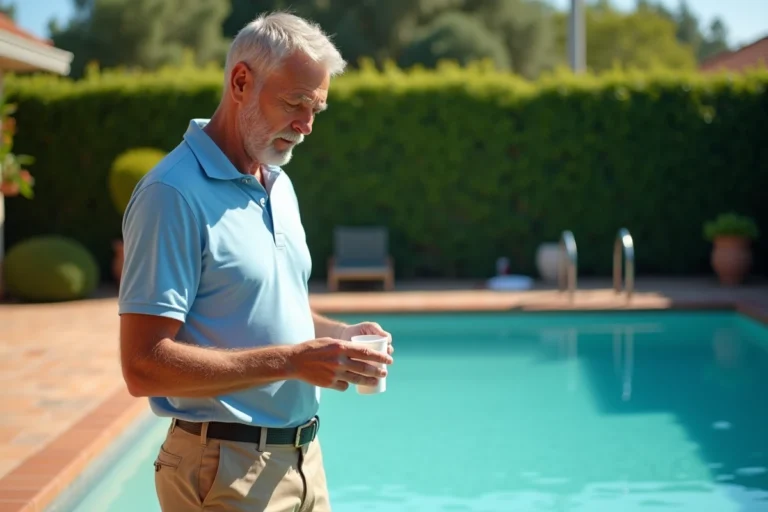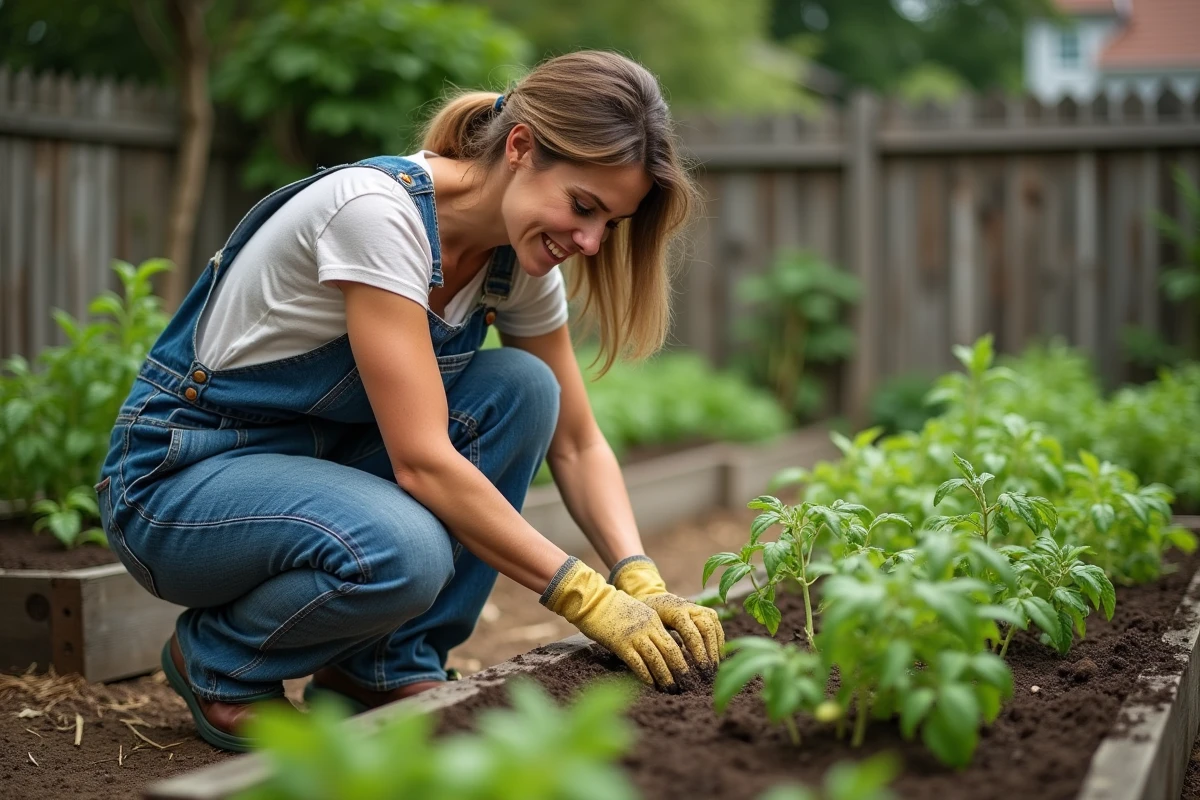
The substrate conditions everything else. Before choosing a plant palette or a terrace covering, we recommend analyzing the texture and pH of the soil: a clay loam with a basic pH does not behave like acidic sand, and planting failures almost always stem from a lack of or poorly conducted soil diagnosis.
Substrate and drainage: the technical foundation of a sustainable garden
A soil compacted by years of foot traffic or parking resists infiltration. Water stagnates, roots suffocate, and plantings wither within a few seasons. The first step is to assess the actual permeability of the land by conducting a simple percolation test: dig a hole the size of a bucket, fill it with water, and time how long it takes for the level to drop.
If drainage is insufficient, a layer of crushed gravel beneath the topsoil addresses the issue for beds and borders. For circulation areas, a layer of medium-sized stones, covered with a geotextile, prevents the mixing of layers and ensures load-bearing capacity.
We observe that many landscaping projects fail because the drainage budget is sacrificed for the sake of aesthetics. It should be the other way around. A soil that breathes allows for the exploration of any aesthetic direction, including practicing gardening with Brico Déco Home to source suitable structural materials and amendments.
Climate-resilient plant palette: adapting plantings to water restrictions
Drought orders have multiplied in France since 2022, sometimes starting as early as spring. Maintaining a uniformly green ornamental lawn in this context is wasteful of water, and regulations eventually prohibit it temporarily in many departments.
Replacing traditional lawn with a drought-tolerant ground cover radically changes the maintenance and aesthetics of the garden. Several options exist.
- Ornamental grasses (fescues, stipa, rustic pennisetums) can withstand weeks without watering and bring movement with the slightest breeze.
- Persistent ground covers like creeping thyme, sedum, or frankenia tolerate drought, limit weeding, and create varied textured carpets.
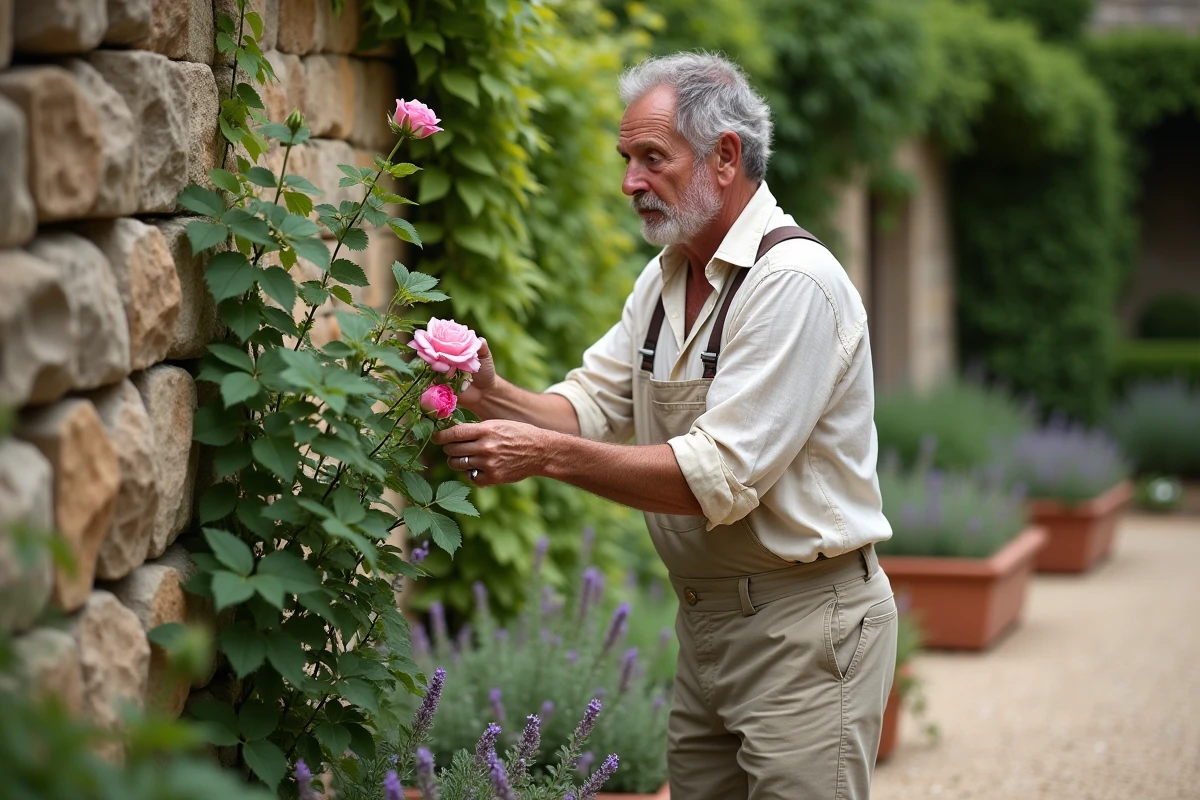
- Mediterranean shrubs (lavender, rosemary, cistus, mastic tree) structure the beds with almost zero water needs once established.
ADEME recommends rethinking the aesthetics of the garden around water conservation. This does not mean a dry and sad garden. On the contrary, the water constraint encourages the combination of silver foliage, blooms spread over several months, and decorative bark that enriches the visual scene in every season.
Color and texture combinations in dry conditions
In low watering conditions, the colors of flowers and foliage become more significant because the intense green of the lawn disappears as a backdrop. We recommend working with contrasts of materials: the fine, silver leaves of santolina next to the fleshy, bluish foliage of a rustic agave, for example.
Warm tones (ochre, terracotta, golden gravel) replace grass as the backdrop. A fine mineral mulch visually unifies the beds while limiting soil evaporation.
Low-voltage outdoor lighting: structuring the space after dark
Lighting transforms a mundane garden into a relaxing space usable in the evening. The current trend among landscapers is discreet low-voltage marking rather than powerful spotlights that overwhelm volumes and disturb nocturnal wildlife.
A low-voltage cable circuit buried at a shallow depth powers low-wattage bollards and adjustable spots at the base of plants. Three well-placed light points are enough to structure a medium-sized garden. One at the terrace level, one on a notable tree, and one at the back of the plot to create depth.
Material choices and landscape integration
Luminaires made of corten steel or aged brass blend into a contemporary or naturalistic design. Standard black plastic ages poorly and yellows under UV light. We prefer narrow-beam optics to sculpt trunks and foliage without illuminating the surroundings.
For power supply, standalone solar kits work for pathway marking, but their light output remains too low to highlight a bed or a stone wall. A dedicated transformer on the electrical panel provides stable power and allows for adding light points without multiplying panels.
Terrace coverings and circulation: balancing durability and budget
The choice of terrace covering determines the longevity of the project and annual maintenance. Local natural stone offers the best lifespan/aesthetic ratio for exteriors, but its purchase cost is significantly higher than that of composite wood or porcelain stoneware on pedestals.
Composite wood has improved in quality in recent years, with co-extruded boards whose outer layer resists UV and stains better. Its limitation remains surface heat in full sun: a south-facing terrace in dark composite becomes uncomfortable barefoot in summer.
- Natural stone (travertine, sandstone, granite): low maintenance, very long lifespan, more technical and costly installation.
- Porcelain stoneware on pedestals: wide variety of appearances, quick installation, good frost resistance if the thickness is sufficient.
- Co-extruded composite wood: warm appearance, moderate maintenance, sensitive to surface heat in south exposure.
- Stabilized gravel: very accessible budget, draining, suitable for pathways and lightly trafficked areas.
For secondary circulation areas (access to the vegetable garden, side passage), Japanese stepping stones laid on a sand bed provide a simple and functional solution that integrates into most landscape styles.
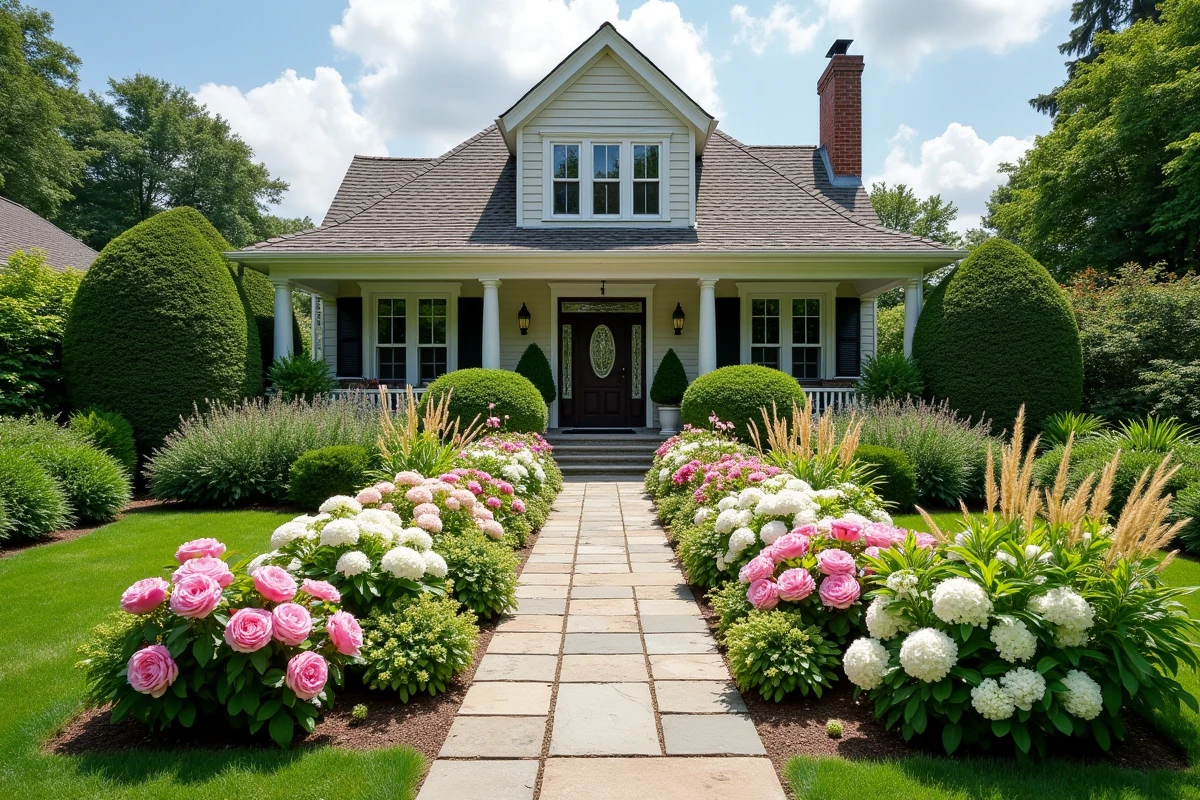
A successful garden relies on a logical sequence: correcting the soil, choosing plants suited to the actual climate of the site, lighting sparingly, and then selecting surface materials based on daily use. The most common mistake is to start with decoration while neglecting the underground work, the part that is not visible but determines everything else.