
The free time of the French has significantly increased since the 1980s. This evolution raises a concrete question: how to occupy these extra hours to derive real benefits, whether for relaxation, learning, or social connection.
Hybrid Leisure: The Boundary Between Home and Going Out Blurs
Local activity booking platforms have changed the way leisure activities are chosen. Demand is shifting towards formats that are halfway between home activities and experiential outings. You book online, practice close to home, and the experience remains occasional.
This shift changes the logic of choice. Instead of searching for “what to do this weekend” in absolute terms, many people filter by proximity, duration, and budget. Leisure becomes a calibrated impulse purchase, not a long-term project.
Browsing the leisure section on the 42 Le Mag website, one can see the diversity of formats that coexist today: occasional workshops, nature outings, family games, and hands-on activities. The challenge is no longer finding an idea, but knowing which one will provide lasting satisfaction.
Home Activities: Producing Rather Than Consuming

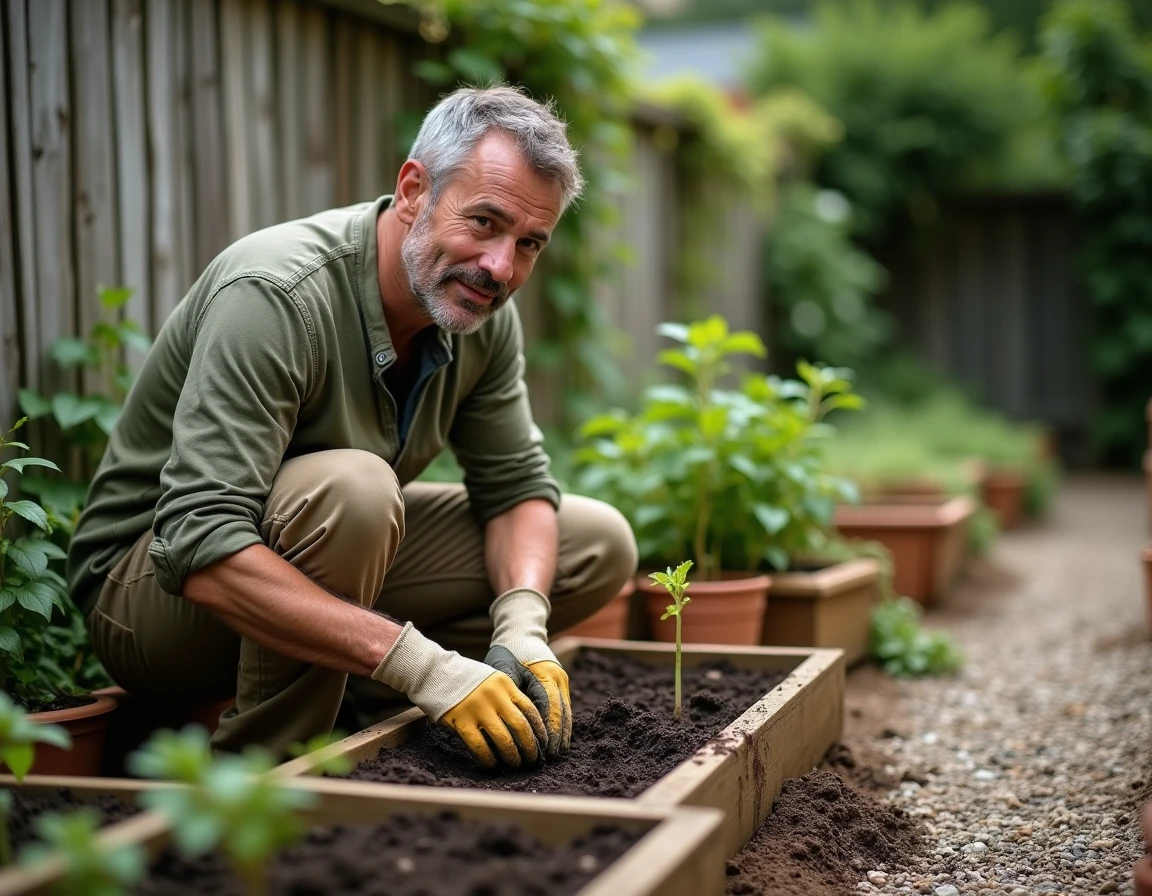
Watching series or browsing social media remains widely practiced. However, recent content on leisure increasingly values activities that produce a tangible result: DIY, creative cooking, gardening, and hands-on projects.
The difference between passive leisure and productive leisure does not lie in physical effort. It lies in the fact that you finish the session with something concrete: a dish, a repaired object, a maintained vegetable patch. A leisure activity that leaves a visible mark provides more lasting satisfaction than an hour of scrolling.
Several avenues are worth exploring at home without significant investment:
- Cooking technical recipes (baking, fermentation, cuisine from a foreign region) develops transferable skills and creates moments of sharing with family.
- Repair-oriented DIY, rather than buying new, allows for budget control while acquiring useful skills for everyday life.
- Gardening, even on a balcony, offers a complete cycle of planting, maintenance, and harvesting that spans several weeks.
These activities share a common point: they transform free time into reusable skills. Feedback on the time needed to enjoy them varies, but the learning curve is part of the interest.
Family Leisure: Segment by Age Rather Than Listing Ideas
A four-year-old and a teenager do not share the same desires. Adapting the activity to the age group conditions the group’s engagement.
For younger children, construction games, visits to animal parks, or painting workshops work well because they engage the senses and tolerate approximation. The child participates without frustration.
With pre-teens, activities that incorporate a collective challenge (escape games, orienteering, geocaching) generate more engagement. The focus is no longer on sensory discovery, but on problem-solving as a team.
For teenagers, preferences vary greatly from one individual to another. Some enjoy outdoor sports outings, while others prefer creative or technological workshops. Offering a choice rather than imposing an activity remains the only approach that reliably works at this age.
The classic trap: organizing a family outing without checking that each age group finds an active role. A teenager watching an activity designed for a six-year-old will lose interest in a few minutes.
Leisure Budget: Free Activities and Concrete Trade-offs
The budget allocated to leisure varies greatly from household to household, but the issue of cost consistently arises in online searches. The good news is that free activities are not degraded versions of paid activities.
Visits to museums on free days, marked hiking trails, municipal outdoor events, or board games already present at home offer quality moments without expense. The barrier is not financial; it is organizational: finding information, checking schedules, mobilizing the group.
- Local tourist offices publish calendars of free events, often underutilized by local residents.
- Municipal libraries frequently offer workshops, screenings, or book clubs without a paid registration.
- Geocaching or hiking apps transform a simple walk into a structured activity, with no entrance fees.
For paid leisure, the most cost-effective trade-off is to prioritize activities that combine multiple benefits. A pottery class, for example, combines technical learning, relaxation, and the production of an object. One slot covers three needs, whereas three separate activities would cost more in time and money.
Relaxation and Social Connection: What Leisure Brings Beyond Entertainment
The most sought-after benefit of leisure, after simple enjoyment, remains relaxation. Nature activities (hiking, biking, community gardening) are regularly cited as the most effective in this regard, probably because they combine physical movement and a break from screens.
Social connection is the other often-overlooked dimension. Going out with friends is among the favorite activities of the French, but structured leisure (sports associations, group workshops, board game meetings) creates more regular bonds than a simple restaurant outing.
Joining an organized group around a leisure activity reduces the coordination effort that hinders many outings among friends. The meeting time is fixed, the location is defined, you just have to show up. This framework facilitates regularity, and it is regularity that transforms an occasional activity into a beneficial habit.
Ultimately, the choice of a sustainable leisure activity rests on a simple criterion: the desire to return the following week. A leisure activity that requires too much organization, costs too much, or does not match the household’s rhythm will be abandoned within a few weeks, regardless of its theoretical interest.