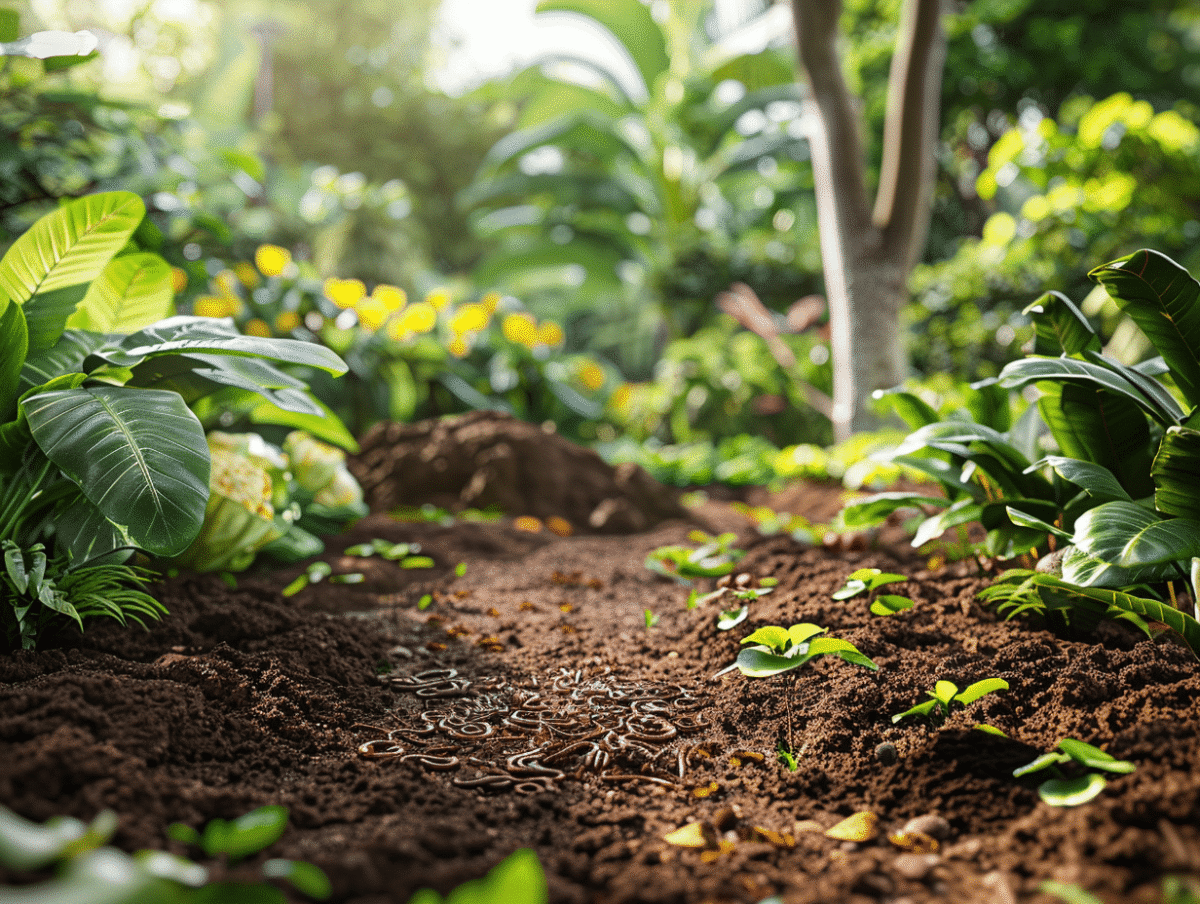
The art of composting and the use of organic waste in gardens are ancient practices often underestimated in the modern era. Yet, these eco-friendly methods offer a multitude of benefits for our gardens. By transforming certain kitchen or garden residues into natural amendments, one can not only improve soil structure but also increase its fertility and promote biodiversity. These wastes, wrongly considered useless, turn out to be genuine treasures for enriching the soil without resorting to chemical products, thus contributing to sustainable and responsible gardening.
Valuation of organic waste: a treasure for the garden
Compost: this word evokes a rich and nutritious substrate for planting, resulting from the transformation of organic waste. But how many are aware of the wealth that this process represents for our garden? Indeed, composting is a form of ecological recycling that transforms vegetable peels, fruit scraps, or even the famous ‘compost onion’ into fertile soil. It is a practice that fits within a logic of sustainable agricultural practices, strengthening soil structure and increasing its ability to retain water and nutrients.
Composting also contributes to substantial savings. Rather than buying expensive chemical fertilizers, the gardener recycles their own organic waste, thus creating a natural fertilizer at no additional cost. Compost enriches the soil, promoting vigorous plant growth without compromising the health of the local ecosystem. Furthermore, the act of composting reduces waste destined for landfills, contributing to a reduction in carbon footprint.
Organic waste, when wisely valued, becomes an essential ally for the informed gardener. They support living soils, which in turn nourish abundant and diverse vegetation. Through composting, we weave closer ties with the cycle of life, transforming what was considered waste into a source of life. Compost is not only beneficial for the garden, but it is also a responsible act towards the environment, marking our commitment to a greener future.
The lesser-known organic wastes and their benefits for the soil
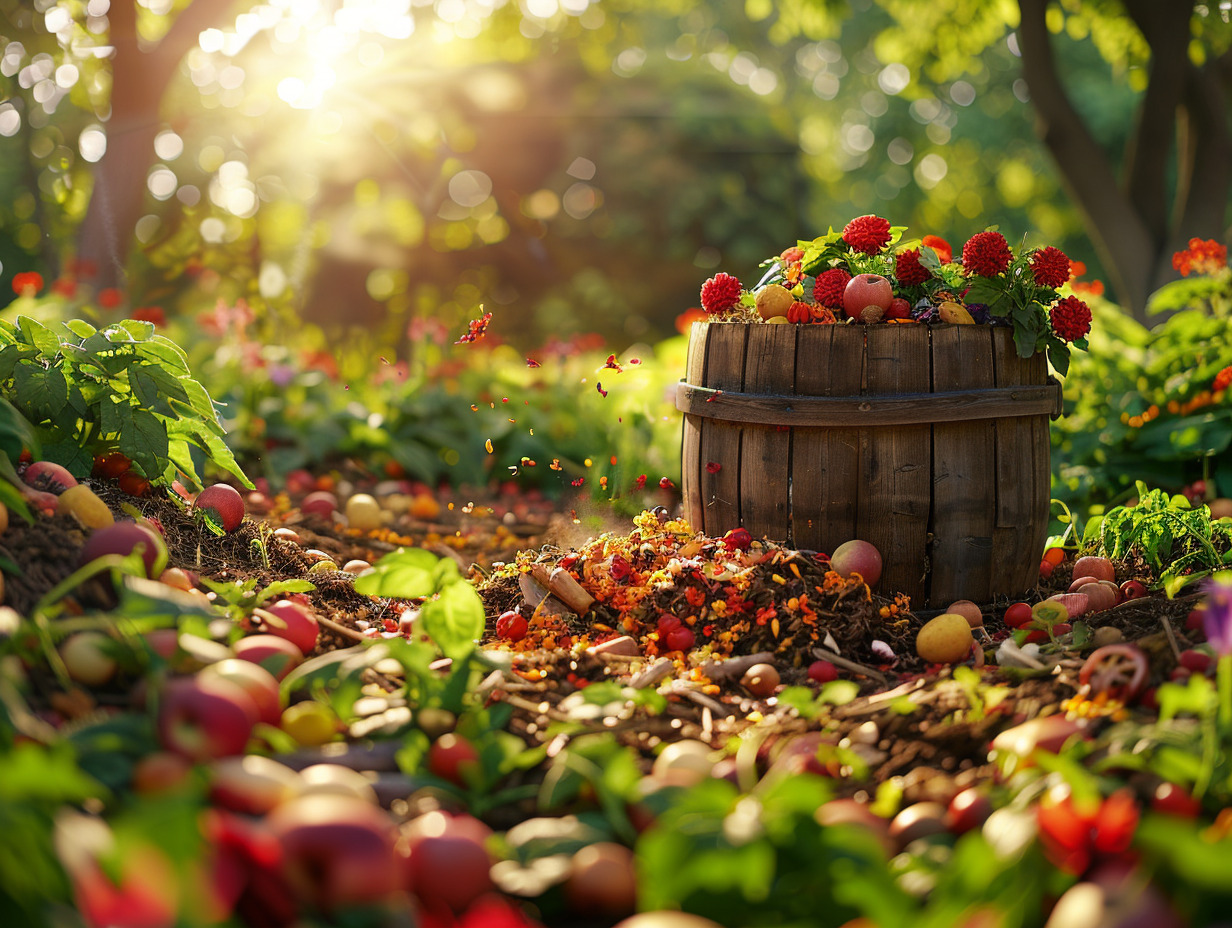
Beyond vegetable peels and meal leftovers, other forms of organic waste deserve special attention for their beneficial effects on the soil. Spontaneous and local flora, often overlooked, proves to be a valuable contribution of organic matter when integrated into compost. These plants, adapted to the climate and soil of their region, strengthen the soil structure and promote the emergence of a rich biodiversity.
The use of organic mulch, derived from grass clippings or fallen leaves, is also a virtuous practice. This mulch protects the soil from erosion, retains moisture, and provides, as it decomposes, a source of nutrients for the soil fauna and microorganisms. The latter are essential to soil health, as they actively participate in the transformation of organic matter into substances that can be assimilated by plants.
In the same spirit, green waste such as pruning residues and weeds, far from being mere refuse, integrate into an ecological management of the vegetable garden. They transform into fertilizer or amendments, thus supporting soil health. This approach reduces reliance on synthetic fertilizers, whose excessive use can disrupt the balance of ecosystems.
The practice of cover crops represents a beneficial strategy for maintaining and improving soil fertility. By growing legumes or other beneficial plants between main production seasons, food waste is limited, and the soil is enriched. These crops, as they decompose, release nutrients, stimulate microbial life, and contribute to an airy and fertile soil structure. All organic waste, when well managed, proves to be a boon for the garden while preserving the integrity of our environment.