Brittany is undergoing a reconfiguration phase of its cultural and tourist offerings. Between legal disputes over the regulation of flows, the rise of craftsmanship tourism, and the financial fragilities of live performances, the dynamics at play far exceed the simple festival agenda.
Regulating Overtourism in Brittany: The Bréhat Case in Court
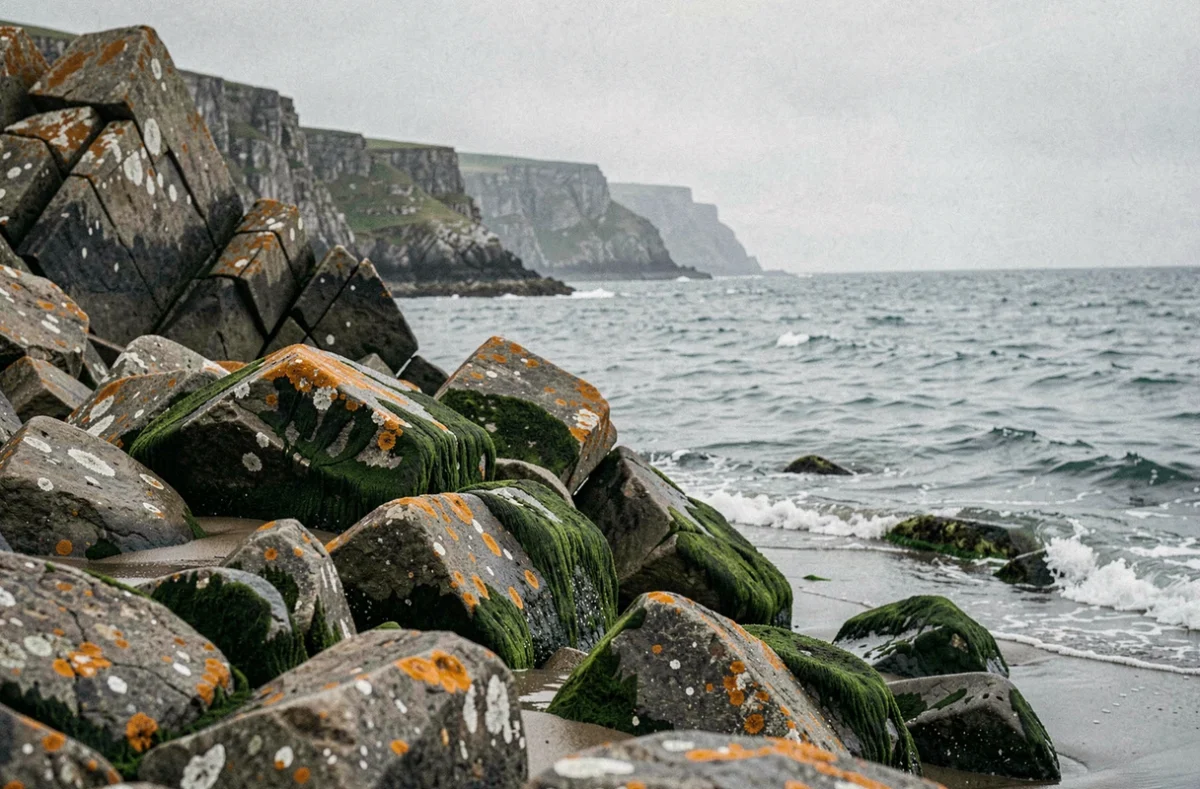
The island of Bréhat serves as a rare observation ground for direct regulation of tourist landings. Quotas have been established to limit the influx of visitors, but a company has requested their annulment before the Nantes Administrative Court of Appeal on October 1, 2026, according to Le Télégramme.
This dispute highlights a structuring arbitration for Brittany’s coastal communities: preservation of natural sites versus freedom of access and local economic activity. We observe that this type of measure, still marginal at the national level, could set a precedent for other islands and points along the Breton coastline facing similar pressures.
The issue is not limited to Bréhat. Several destinations in Finistère and Côtes-d’Armor are facing peaks in summer attendance that degrade coastal paths, saturate parking lots, and generate tensions with permanent residents. The regulatory challenge goes beyond the municipal framework: it involves intercommunalities, DREAL, and managers of classified sites.
Professionals in the sector who follow Breton news on bretagne-net.com regularly encounter these flow management issues, especially during the high season.
Economic Tourism and Company Visits: An Expanding Cultural Axis
Craftsmanship tourism is establishing itself as a credible complement to traditional festivals. Bretagne Économique reported at the end of September 2026 that over 800 Breton companies would open their doors during a dedicated event. The increase in the number of participants between 2024, 2025, and 2026 confirms a rapid expansion of this offering.
What distinguishes this trend is the diversity of the structures involved. We are no longer talking solely about artisan workshops or canneries, but also about industrial sites, university hospitals, and laboratories. Visitors gain access to usually closed backrooms, repositioning Breton culture beyond built heritage and fest-noz.
A Lever for Non-Coastal Territories
The municipalities in central Brittany, often overshadowed by the coast in tourist guides, directly benefit from this format. Company visits create a flow in the off-season, precisely when accommodations and restaurants seek to maintain their activity.
We recommend monitoring the evolution of these measures: they serve as a reliable indicator of the ability of rural Breton territories to attract clientele that is no longer limited to beaches and hiking trails.
Record Summer Attendance and Discrepancy with Economic Returns
Several medium-sized towns in Finistère and Morbihan have recorded remarkable summer attendance, driven by favorable weather and a shift of clientele from Mediterranean destinations perceived as saturated.
Tourist attendance does not automatically translate into an equivalent increase in local spending. Consumption behaviors are evolving: shorter stays, massive use of peer-to-peer rental platforms, fast food rather than traditional dining. This discrepancy between visitor volume and revenue per capita constitutes a blind spot in official tourism assessments.
Which Spending Categories Truly Benefit Breton Stakeholders
The sectors that capture the most added value remain:
- Supervised water activities (sailing schools, sea kayaking, diving), which require a local purchase that cannot be substituted by an online platform
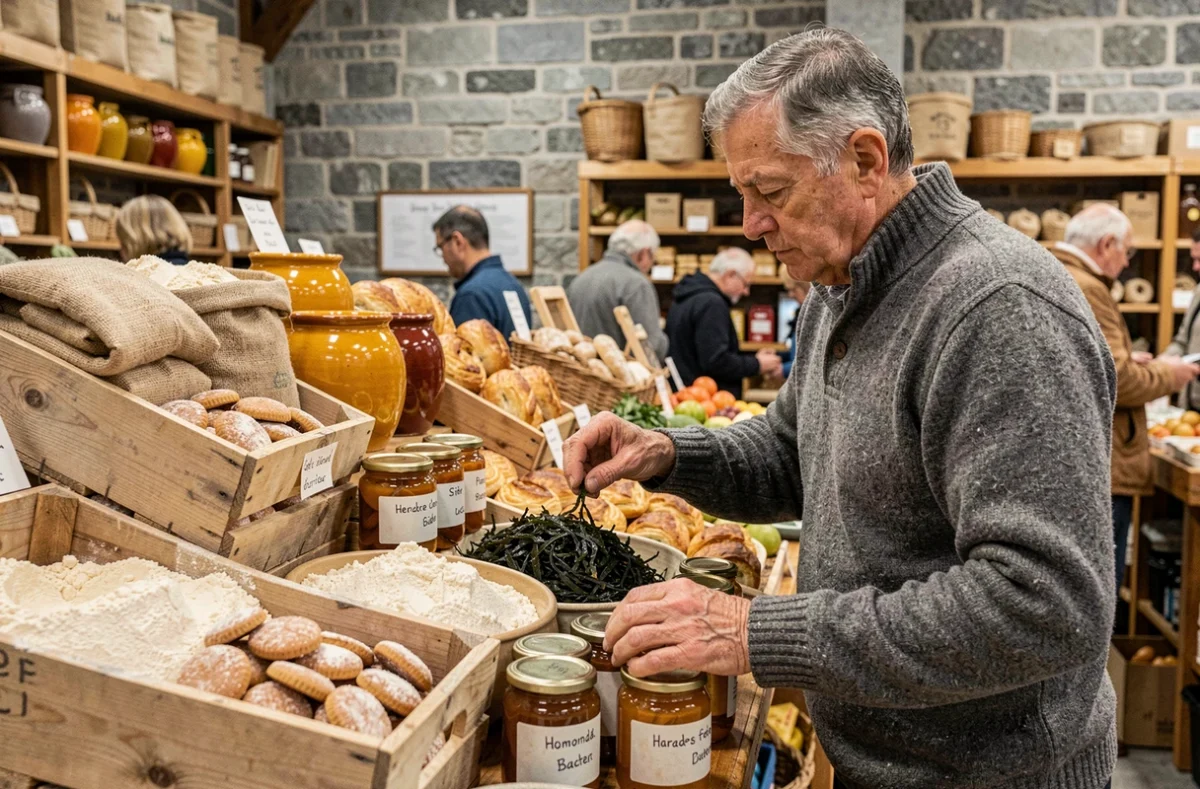
- Short food supply chains, farmers’ markets, and traditional creperies, whose attendance remains correlated with tourist density
- Paid cultural sites (exhibitions, eco-museums, interpretation centers), which benefit from a shift in attendance on bad weather days
Breton Festivals and Live Performances: Fragilities Beneath the Surface
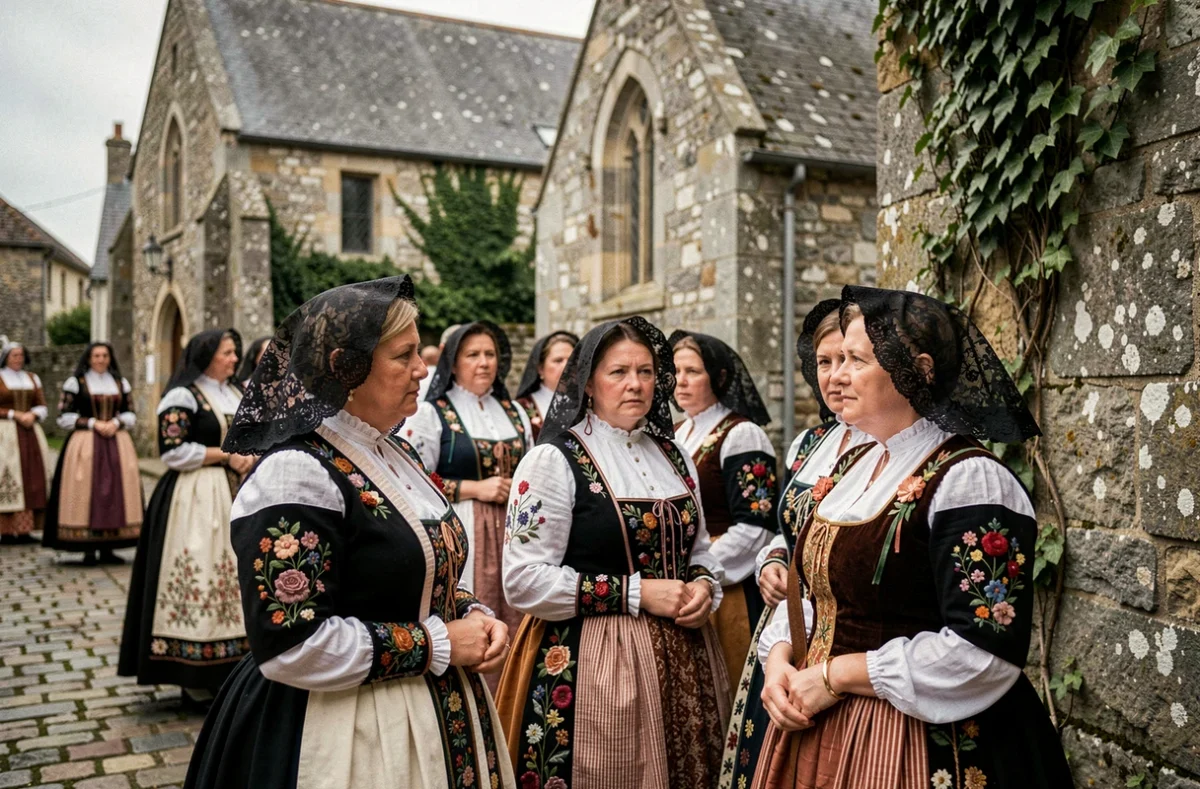
Brittany remains one of the French regions with the highest density of festivals. The Route du Rock, the Festival des Rias, the Vieilles Charrues, and the fest-noz of multiple rural communes: the network covers the entire territory, from Finistère to Ille-et-Vilaine.
Behind this showcase, the financial fragilities of Breton live performances deserve sustained attention. The rising technical costs (sound, lighting, security), stagnation of regional subsidies, and increased competition among events create a scissor effect that small structures find difficult to absorb.
Volunteering and Local Anchoring as Buffers
The Saumon Festival in Pont-Scorff, which celebrated its thirtieth edition, illustrates a model heavily reliant on volunteering. Organizers noted in Ouest-France that “all the planets aligned,” which well reflects the uncertainty that accompanies each edition.
Festivals with a strong volunteer base fare better than those dependent on expensive headliners. This observation guides strategies: local programming, highlighting regional artists, and logistical pooling between neighboring events.
Breton Heritage and European Heritage Days: An Underutilized Lever
The European Heritage Days serve each year as a showcase for Breton sites, blending religious, industrial, and maritime heritage.
The challenge for Breton cultural actors is to extend the momentum beyond the dedicated weekend. Breton heritage generates a one-time flow that struggles to transform into regular attendance. The sites that succeed combine digital mediation, participatory workshops, and off-season programming.
- Temporary exhibitions in heritage sites (abbeys, forts, manors) create a reason for revisiting that the built heritage alone can no longer justify
- Thematic routes crossing several municipalities (painters’ road, parish enclosure circuit) foster a clientele of short stays in Ille-et-Vilaine as well as in Morbihan
- Digital visit tools (geolocated audio guides, augmented reality) remain poorly deployed outside major sites, despite existing demand
Brittany has a cultural and heritage fabric of rare density, but its sustainability relies on financial, regulatory, and logistical arbitrations that traditional tourist agendas do not reveal. Closely following these developments remains the best way to anticipate transformations in the territory.