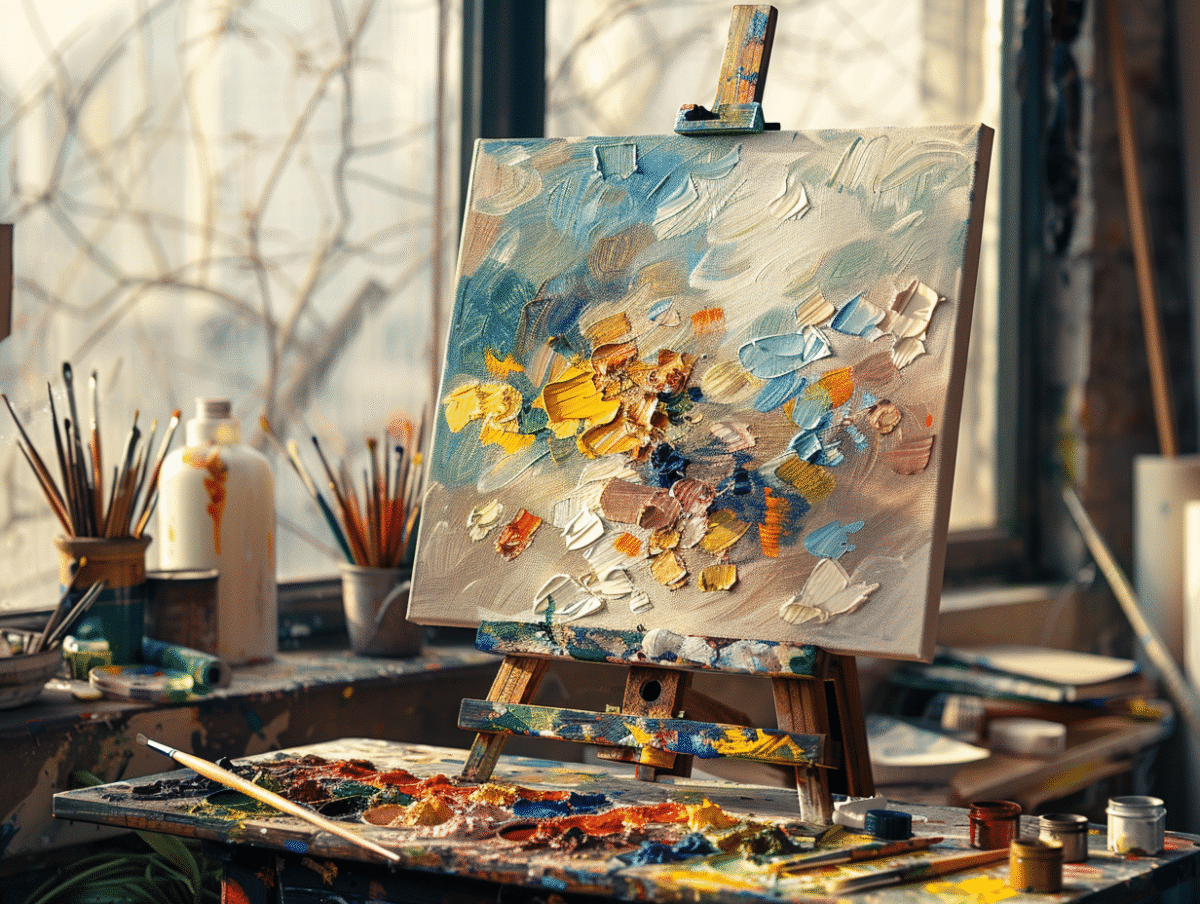
Exploring the world of painting can be both exciting and intimidating, especially when it comes to mastering color mixing. The ability to create harmonious and vibrant colors is essential for any artist wishing to bring their visions to life. This requires not only a developed sense of observation and understanding of basic colors but also knowledge of mixing techniques and the use of appropriate resources. From professional tips to practical guides, painters of all levels can refine their technique and enrich their palette to transform their artistic practice.
Mastering the Basics of Color Mixing
Acrylic painting, a popular technique among artists and art enthusiasts, stands out as the preferred choice for beginners. Its ease of handling, quick-drying properties, and water solubility make it a particularly forgiving medium for those experimenting with color mixing. It allows for a wide range of works, from the most precise figurative pieces to the freest abstractions, thus offering a vast field of exploration for novices seeking mastery.
Finding the path to mastery inevitably involves understanding color theory. A color mixing chart is an invaluable ally: it guides the artist in combining primary, secondary, and tertiary hues. Consider this chart as a compass in your quest for the perfect shade, a tool to avoid muddy mixes and discover unexpected harmonies.
Tips for learning to paint regularly emphasize the importance of consistent practice: it is by painting that one becomes a painter. Painting classes, whether held in workshops or online, provide valuable instruction on how to handle a brush and mix pigments. Beginners will find a structured educational framework to methodically assimilate the fundamental artistic techniques.
Acrylic painting is recommended for beginners not only for its versatility but also for its accessibility. There is no shortage of brands offering quality paint, and with the right tools like appropriate brushes, canvas or suitable support, and a palette for mixing colors, every artist can express their creativity without hindrance. Follow in the footsteps of contemporary masters such as René Milone, Gerhard Richter, or Marlene Dumas for inspiration and to push the boundaries of your art.
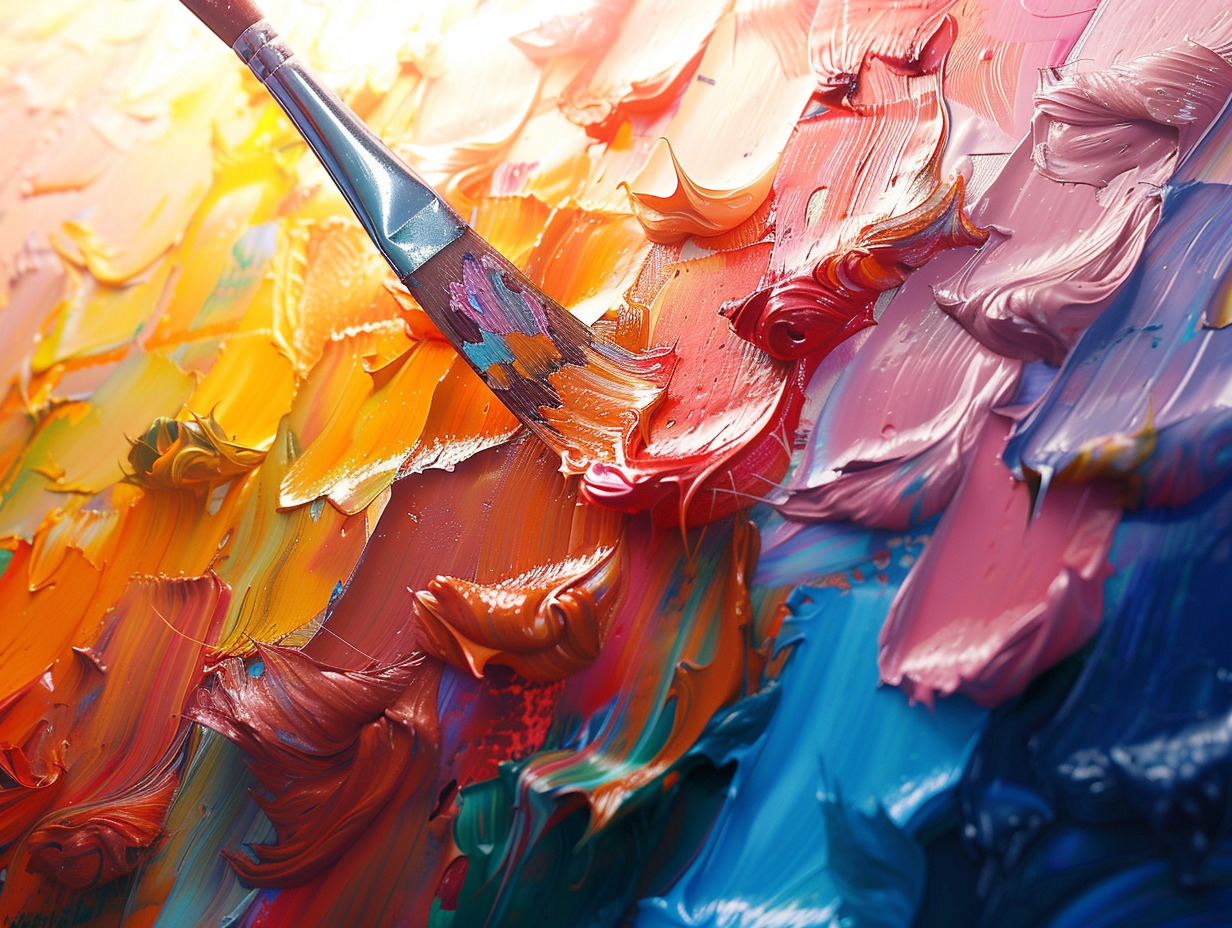
Advanced Techniques and Resources for Successful Color Mixing
For artists eager to move beyond the initial stage, acquiring advanced painting techniques is fundamental. The use of quality acrylic paints is the cornerstone of refined work. These paints, with their rich pigmentation and ideal consistency, bring to life mixes with pure and vibrant hues. Mastering their application is achieved through diligent practice and experimentation with different consistencies, playing with the medium to dilute the paint to achieve the desired effect.
The choice of tools remains a determining factor: appropriate brushes, selected based on their shape, size, and hair quality, allow for precise application and fine control of the artistic gesture. A canvas or suitable support will host the carefully made mixes, influencing the texture and final brightness of the work. The palette for mixing colors, on the other hand, becomes the artist’s laboratory where the subtle shades that will characterize their pictorial signature are developed.
Access to online courses and training has become widely democratized, offering a myriad of opportunities to learn and improve. These educational resources, often led by recognized artists, provide practical and theoretical advice, ranging from composition to color manipulation. Painters like René Milone, who specializes in acrylic landscape painting, open their virtual studios to apprentices, revealing the secrets of a mastered palette.
Contemplating the works of masters such as Gerhard Richter, known for his colorful abstract paintings, or Marlene Dumas, whose emotionally charged portraits captivate viewers, inspires and educates the eye of the emerging artist. Their varied techniques and approaches serve as references for artists aspiring to enrich their own visual language, transforming the canvas into a space for personal and innovative expression.