A wedding on Saturday, a business lunch on Tuesday, a night out with friends on Friday: three occasions, and the temptation to buy three separate outfits. Yet you can cover all of them with a smaller number of pieces, as long as you choose them for how well they work together rather than for their impact on their own. Putting together stylish, elegant outfits for every occasion is less about how many clothes you own than how you combine them.
Versatile pieces: the foundation of a wardrobe for every occasion
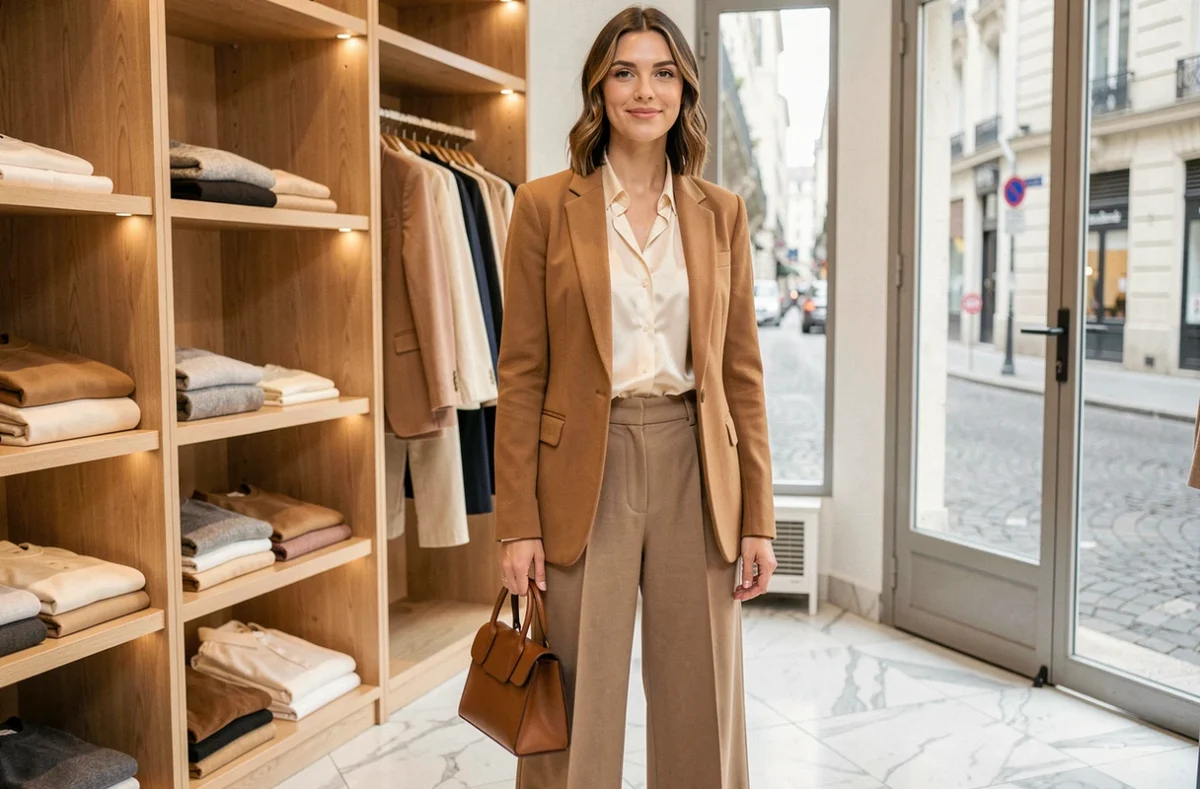
Rather than thinking in terms of events, it pays to identify pieces that work in at least two different settings. Lightweight wool tailored trousers can take you from the office to dinner without a change. A fluid, straight-cut dress works just as well for a daytime ceremony as it does for an art opening.
The deciding factor is the cut. A tailored fit without being too tight works in almost any setting. Overly structured clothes (strong shoulders, rigid shapes) are often limited to formal occasions, while overly relaxed cuts can quickly veer into strictly casual territory.
To find pieces with plenty of mix-and-match potential, platforms such as Stacy Mode make it easy to compare styles and identify wardrobe staples that work for different occasions without getting boring.
- An unlined cotton or linen-blend blazer: wear it over a T-shirt at the weekend or over a shirt for a business meeting
- A plain crepe or viscose midi skirt: pair it with white sneakers during the day or heels in the evening
- Straight-leg, high-waisted trousers in a neutral color (navy, beige, charcoal): they go with everything, from a knit sweater to a silk blouse
Colors and fabrics: create an elegant outfit without buying a whole new wardrobe
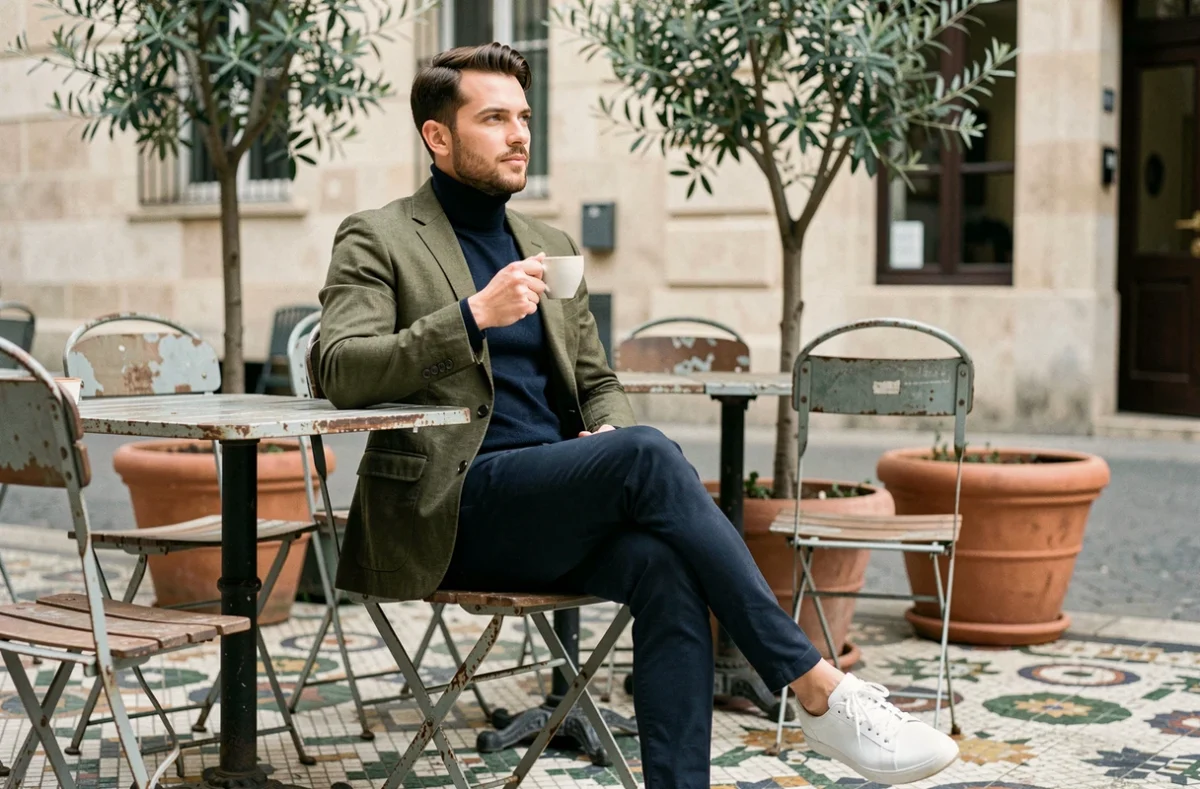
We often associate trends with bright colors or bold prints. In practice, a limited palette of three to four neutral shades creates more outfit combinations. Black, navy, off-white and camel make up a versatile base that works on its own.
Add color in just one place: a scarf, a pair of shoes or a bag. This approach lets you completely change the feel of an outfit without changing the basics. The same trousers-and-blouse combination can go from office wear to evening wear simply by swapping in a colorful accessory.
The underestimated role of fabrics in determining formality
Fabric sends a stronger signal than color about how formal an outfit is. Wool flannel trousers say “formal” even in light gray. The same light gray in jersey says “casual.” Choosing the fabric means choosing the occasion before you even get dressed.
Some fabrics work for more than one occasion: heavyweight cotton, textured viscose and linen blends. They don’t scream “office” or “beach,” giving you welcome flexibility when you want to keep your wardrobe small.
Secondhand and repairs: find stylish pieces without overconsuming
Secondhand shopping in France isn’t limited to peer-to-peer apps. Thrift stores, charity shops and flea markets accounted for the largest share of items sold, considerably expanding the options for anyone looking for a specific piece.
A vintage blazer in good condition or a branded pair of trousers resold after a closet clear-out can help you put together elegant outfits for less. The key is to inspect items before buying. According to Refashion’s report, less than 1% of secondhand items were repaired or restored before resale. So check the seams, fastenings and condition of the fabric yourself before making a purchase.
Repair rather than replace: know when it makes sense
A simple alteration (hemming, replacing a button or repairing a side seam) costs little and extends the life of a garment. More extensive repairs, however (replacing a zipper on a lined jacket or repairing worn fabric), can cost more than an equivalent secondhand purchase. Whether a repair is worthwhile depends on the garment’s original quality: a dense, well-cut fabric is worth the investment, while a thin synthetic fabric generally isn’t.
French regulations on ultra-fast fashion also changed in 2026, encouraging shoppers to consider a garment’s durability when buying it, not just whether it suits a particular occasion.
Accessories and layering: turn an everyday outfit into a dressed-up look
Accessories aren’t just decorative additions. They can change the feel of an entire outfit. The same outfit can look more or less formal depending on the shoes and bag you pair with it.
Three changes are all it takes to go from casual to dressed up:
- Swap sneakers for derby shoes or low heels: footwear anchors the overall impression
- Trade a backpack or canvas tote for a structured leather bag (even a small one): the contrast in texture elevates the whole outfit
- Add a carefully chosen layer (a fine-knit cardigan, a lightweight trench coat or a sleeveless jacket): an extra layer adds visual depth without weighing down the look
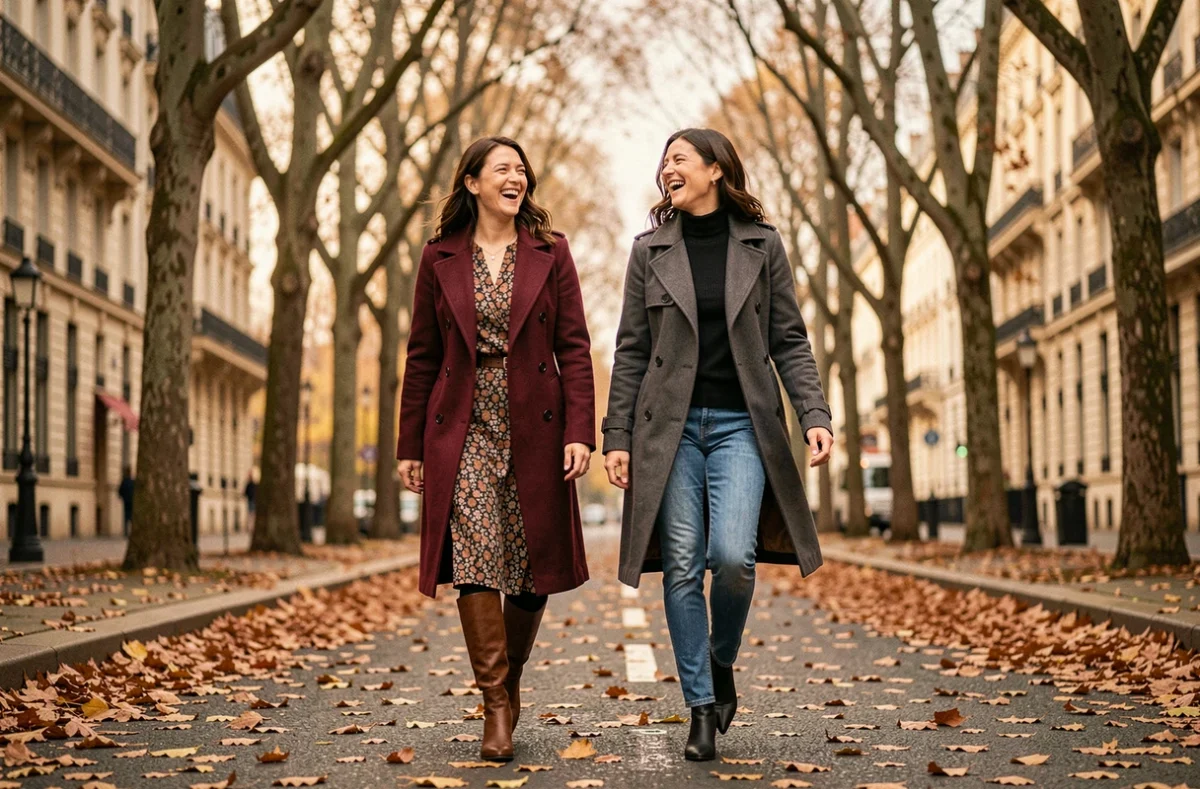
Layering works especially well in the shoulder seasons, when temperature swings between morning and evening mean you need to bring an extra layer anyway. It might as well add a touch of elegance to your outfit.
The trap of short-lived trend accessories
An accessory strongly tied to a particular season (in its shape, logo or “color of the year”) loses its ability to transform outfits once the trend fades. The most versatile accessories are those with understated designs and solid construction. A good full-grain leather bag develops a patina over time instead of going out of style.
Putting together stylish outfits for every occasion doesn’t require an overflowing wardrobe. A few well-cut pieces in adaptable fabrics, accessories that can shift the tone of an outfit, and the habit of checking a garment’s actual condition before buying it, new or secondhand: these three habits cover most situations without multiplying unnecessary purchases.