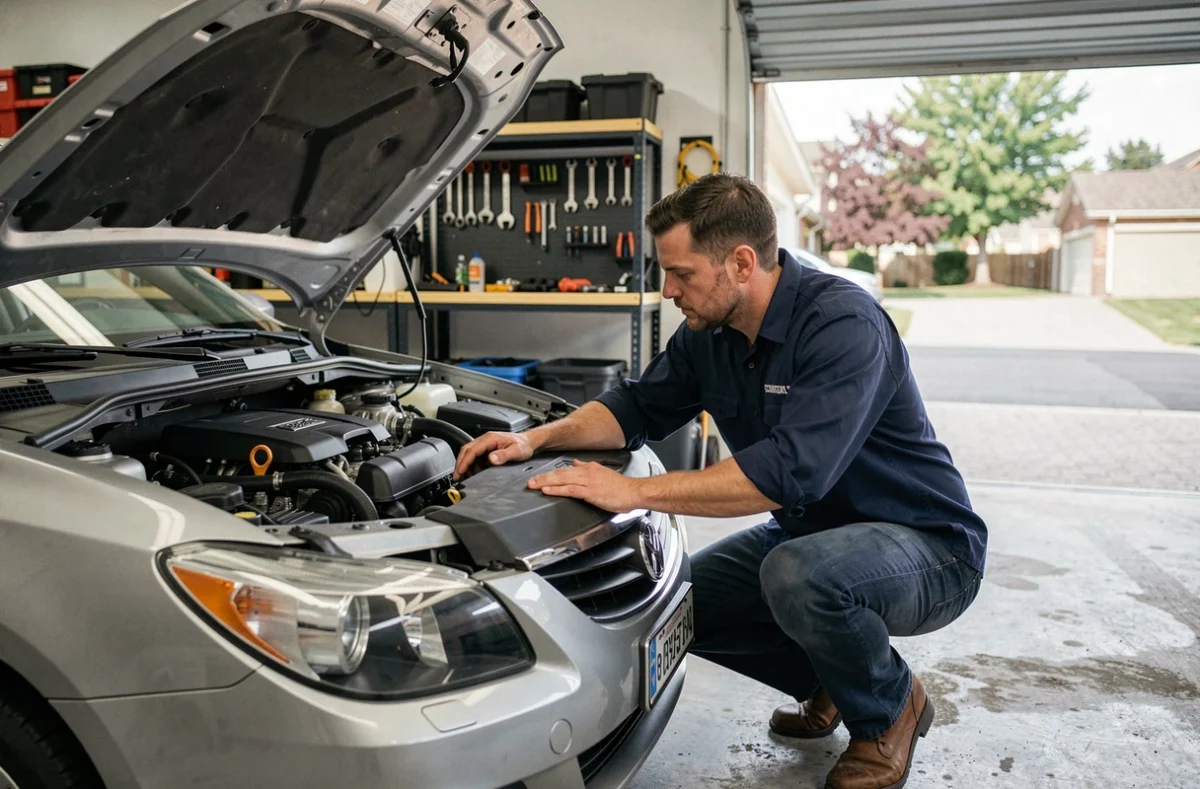
The French automotive market now combines combustion-engine, hybrid and electric vehicles, while access rules for city centres vary by local authority. Choosing a car, maintaining it properly and anticipating regulatory requirements means weighing up several factors that go beyond simply reading a spec sheet.
It’s not just about mechanics: the Crit’Air sticker, low-emission zones and battery condition on the used electric car market all influence both the purchase decision and the long-term budget.
Total cost of ownership: comparing combustion and electric cars by category
Looking only at the purchase price gives a misleading comparison between a combustion-engine car and an electric one. Total cost of ownership includes energy consumption, mechanical maintenance, insurance and depreciation. With an electric car, no engine oil changes, timing belt or clutch means lower routine maintenance costs. The trade-off is the purchase price, which is often higher for a comparable category.
A common mistake is to compare an electric city car with a diesel saloon. For a reliable comparison, you need to compare cars in the same segment and for the same use: urban commuting, annual mileage and expected ownership period.
The differences vary considerably from one category to another, so a general rule such as “electric cars cost less” doesn’t hold without taking these factors into account. Several platforms now let you estimate the overall cost, and the Speeder website brings together detailed vehicle profiles to help put the figures into perspective.
Battery health and diagnostics: what’s different with a used electric car

For used combustion-engine cars, the service history and mileage remain the two main indicators. With a used electric car, there’s a third factor to consider: battery health, expressed as a percentage of its remaining capacity compared with when it was new. A degraded battery reduces real-world range and, consequently, the vehicle’s value.
Requesting a battery health report before buying is becoming as routine as checking the roadworthiness test. Some garages and specialist centres offer this test, which measures remaining capacity and cell condition. This is particularly important because not all independent garages are equipped to work on electric vehicles, which can limit your choice of service provider for future maintenance.
Low-emission zones: check local rules before buying
The Crit’Air sticker classifies vehicles according to their emissions, but it doesn’t determine whether a car can circulate freely in a particular city. Each local authority sets its own zone boundaries, restriction hours and vehicle categories covered. Exemptions also vary from one zone to another.
Before buying a vehicle for regular trips into an urban area, check the low-emission zone rules that apply to your exact route to avoid an unpleasant surprise. The official Service-Public website provides details of the rules for each local authority. A Crit’Air 3 car may be able to circulate without restrictions in one city but be banned during peak hours in another. This check is important for both new and used car purchases.
Tyres and brakes: wear parts under increasing regulatory scrutiny
Tyre and brake-pad wear is no longer just a matter of individual safety. European regulations are gradually incorporating particulate emissions from tyre and brake abrasion into their anti-pollution requirements. For drivers, this means that tyre lifespan is becoming as important a consideration as grip.
When replacing tyres, comparing the manufacturer’s stated lifespan with user reviews can help you choose between a cheaper tyre that needs replacing more often and a longer-lasting model. Electric vehicles are heavier because of their batteries, putting more strain on their tyres, accelerating wear and increasing this part of the budget.
Routine maintenance: checks that protect your car and its resale value

Beyond major garage services, drivers can carry out several regular checks that directly affect a vehicle’s lifespan and resale value.
- Engine oil and coolant levels: checking these monthly with the engine cold helps prevent overheating and engine failure, which remain among the most expensive breakdowns for a combustion-engine vehicle.
- Tyre pressure: checking every four to six weeks when the tyres are cold reduces uneven wear and fuel consumption. Underinflated tyres also increase braking distances.
- Wiper blades and lights: these inexpensive parts affect visibility and are among the items checked during the roadworthiness test.
- 12 V battery (including in electric cars): a weak auxiliary battery can prevent the car from starting. Having it tested at a workshop before winter helps you plan for a replacement.
A complete service history, with invoices for all work carried out, is the best selling point when reselling to a discerning buyer. Cars with a full service history tend to fetch better prices than those with gaps in their maintenance records, regardless of the mileage shown.
Choosing a garage: manufacturer warranty and alternatives
During the manufacturer’s warranty period, having your car serviced by an authorised dealer makes it easier to get repairs covered if a problem arises. After the warranty expires, independent garages and auto centres often charge less for routine work such as oil changes, brake repairs and tyre replacement. The key is to make sure the service provider uses parts that meet the manufacturer’s specifications and records every job in the service history.
It’s worth choosing a garage in advance by comparing quotes for a standard service. Prices for the same job can vary by as much as twofold depending on the location and type of garage. Comparing at least two quotes before any major work is the most reliable way to manage your motoring costs without compromising on maintenance quality.