
The major supermarket chains that we encounter almost daily often hide fascinating stories behind their logos and iconic symbols. These visual identities, far from being mere drawings, are the result of decades of evolution and meticulous marketing strategies.
Every color and every shape has been carefully selected to evoke a particular emotion in the consumer. Some symbols have endured through the decades while maintaining their essence, while others have undergone radical transformations to adapt to new market expectations and graphic trends.
These metamorphoses reveal not only the evolution of consumer tastes and expectations but also the ability of brands to reinvent themselves while remaining true to their core values.
The iconic symbols of major supermarket chains: a historical retrospective
The history of the symbols of major supermarket chains is rich and diverse. Take the example of La Valaisanne Holding (LVH), which acquired the PAM and Proxi stores. This acquisition strategy has allowed LVH to strengthen its market presence while integrating the visual identities of the acquired brands. The Auchan logo, with its distinctive red bird, perfectly illustrates this ability to merge tradition and modernity.
In French-speaking Switzerland, Magro/Casino marks its expansion with a recognizable visual identity, while Volg and Spar maintain a strong visual presence in German-speaking Switzerland. Maintaining a coherent visual identity is essential for these brands to preserve their brand image and retain their customers.
Expansions and investments
- Manor: is heavily investing in the construction of new shopping centers, thereby consolidating its market position.
- Aldi and Lidl: continue their expansion in Switzerland, adapting their logos to meet local preferences while retaining their distinctive features.
These examples show how major supermarket chains use their symbols to convey strong messages and adapt to market changes. The transformations of logos, while remaining true to the brand’s identity, reflect strategies for growth and customer loyalty.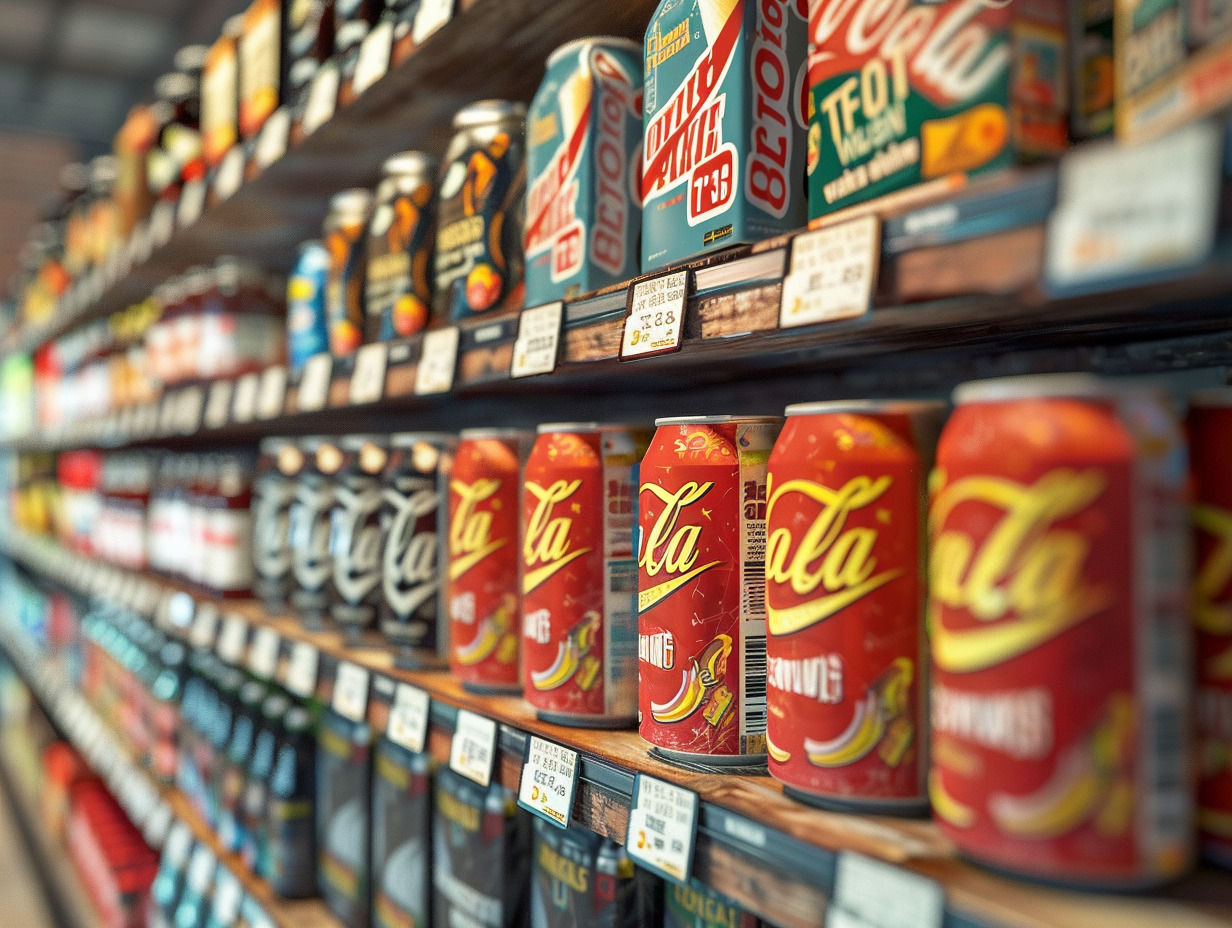
Impact and evolution of logos on consumer behavior
The impact of logos on consumer behavior should not be underestimated. Visual symbols convey subliminal messages that influence purchasing choices. Halley Family Group and Bleu Capital S.a.r.l., major shareholders of certain large chains, have understood the importance of a strong visual identity.
The foundations of logo influence
The logo acts as a landmark for consumers. Consider the following elements:
- Fournier, Defforey, Louis Mulliez, and Marguerite Letien founded brands whose logos have become icons of trust.
- Under the leadership of Alexandre Bompard, these brands have adapted their symbols to better meet the expectations of modern customers.
The evolution of logos reflects not only changes in strategy but also societal transformations. A brand’s logo is not just a drawing; it is a powerful communication tool.
Adaptation and loyalty
Brands that successfully adapt their logos to the new market demands see an improvement in their sales figures. Take, for example, the evolution of Aldi’s logo in Switzerland. This brand has managed to harmonize modernity and tradition, thus attracting a diverse clientele.
The logos of major supermarket chains play a fundamental role in customer loyalty. By adapting their symbols to consumer expectations, these brands ensure their longevity in an increasingly competitive market.